

Piston Rings
Where Sealing Defines Performance
Piston rings play a critical role in sealing the combustion chamber, helping engine power to be generated and maintained efficiently.
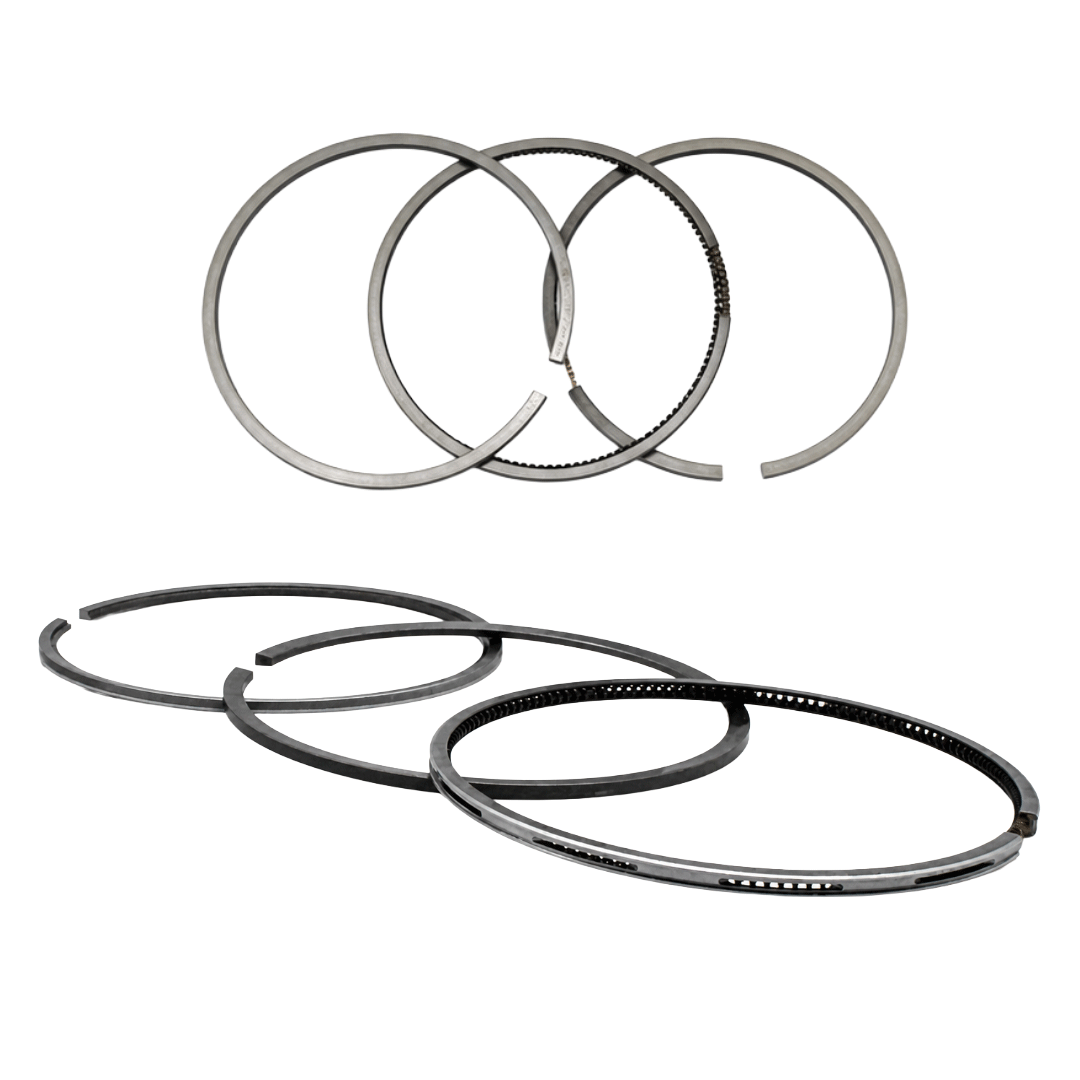
Inside every combustion cycle, piston rings must create and maintain an effective seal between the piston and cylinder liner. This small contact area has a direct influence on engine power, efficiency and durability.
The Seal Behind Engine Power
During combustion, rapidly expanding gases generate the pressure required to move the piston and produce engine power. Piston rings help contain that pressure inside the combustion chamber, allowing the energy generated by combustion to be transferred efficiently.
When the seal is consistent, the engine can maintain stable compression, efficient combustion and reliable power output. Even a small reduction in sealing performance can affect the way the entire engine operates.
DSG Focus
DSG piston rings are engineered to maintain optimal contact with the cylinder liner, supporting reliable sealing performance under high-pressure and high-temperature operating conditions.
Understanding Blow-By
Blow-by occurs when combustion gases escape past the piston rings and enter the crankcase instead of remaining inside the combustion chamber.
Excessive blow-by can reduce engine efficiency, lower compression and increase emissions. It can also contaminate the engine oil, raise crankcase pressure and accelerate wear on pistons, liners and other internal components.
Key Benefits of Effective Sealing
Improved Combustion Efficiency
Effective sealing helps retain combustion pressure and supports more efficient power generation inside the cylinder.
Reduced Blow-By and Emissions
Controlled gas leakage helps reduce crankcase contamination, pressure loss and unnecessary engine emissions.
Stable Engine Performance
Consistent compression supports reliable power output, smoother operation and stable engine behaviour.
Lower Component Wear
Proper ring contact helps protect pistons, cylinder liners and lubrication systems from premature damage.
Precision at the Cylinder Wall
Piston ring performance depends on maintaining controlled and consistent contact with the cylinder liner. Ring geometry, material quality, surface finish and installation all influence the effectiveness of the seal.
Helps retain cylinder pressure so combustion energy can be converted into useful engine power.
Precision-engineered geometry supports consistent contact throughout the piston’s movement.
Reliable materials help maintain sealing performance under demanding pressure and temperature conditions.
When Sealing Performance Declines
Worn, damaged or incorrectly installed piston rings may no longer maintain the correct contact with the cylinder liner. This can result in compression loss, increased oil consumption, excessive exhaust smoke and reduced engine performance.
Over time, poor sealing can also increase heat, contamination and wear inside the engine. Detecting these symptoms early can help prevent progressive damage and costly unplanned downtime.
Precision Makes the Difference
Piston rings may be relatively small components, but their contribution to engine performance is significant. Their ability to maintain compression, control gas leakage and operate reliably against the cylinder liner affects the stability of the entire combustion process.
That is why precision-engineered piston rings make the difference in demanding heavy-duty applications where reliability, performance and service life matter.
Discover DSG Piston Rings
Want to learn more about DSG piston rings and identify the right solution for your engine application? Talk to our team.
Contact DSG-USA


